
Validate the core play
Controls, rules, progression, camera, and UI can be turned into a playable form before the full specification is locked.
We support game projects from playable prototypes to gameplay systems, development tools, and platform integration.
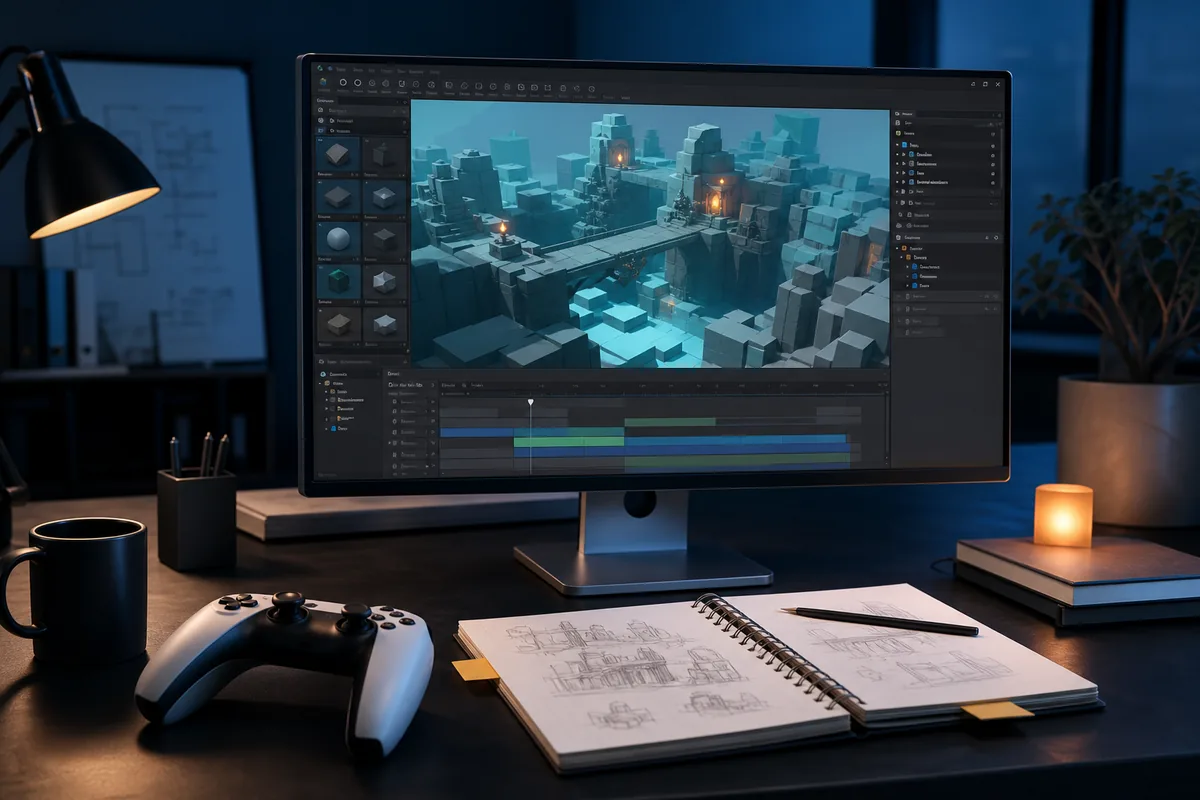
Service
Good game development is not only about implementing features. The feel of input, timing, feedback, information density, and iteration speed all affect the final player experience. At the same time, the project still needs maintainable data, clear scope, reliable tools, and stable platform integration.
Nobilwing helps turn ideas into something playable first, then improves the implementation through review and iteration. We can support Unity or Unreal Engine projects, Steam-oriented development, external service integration, development tools, and the cleanup of existing projects.
Project Context
Game development support rarely stops at a single prototype. We look at the core play experience, the implementation path, the production workflow, and the requirements for release and operations, then define the right scope for the project.
Controls, rules, progression, camera, and UI can be turned into a playable form before the full specification is locked.
Data structure, editor tools, build support, and debug views help the project keep moving after the first playable version.
Steamworks, achievements, localization, analytics, and storefront-related settings can be planned before they become late-stage blockers.
Workflow
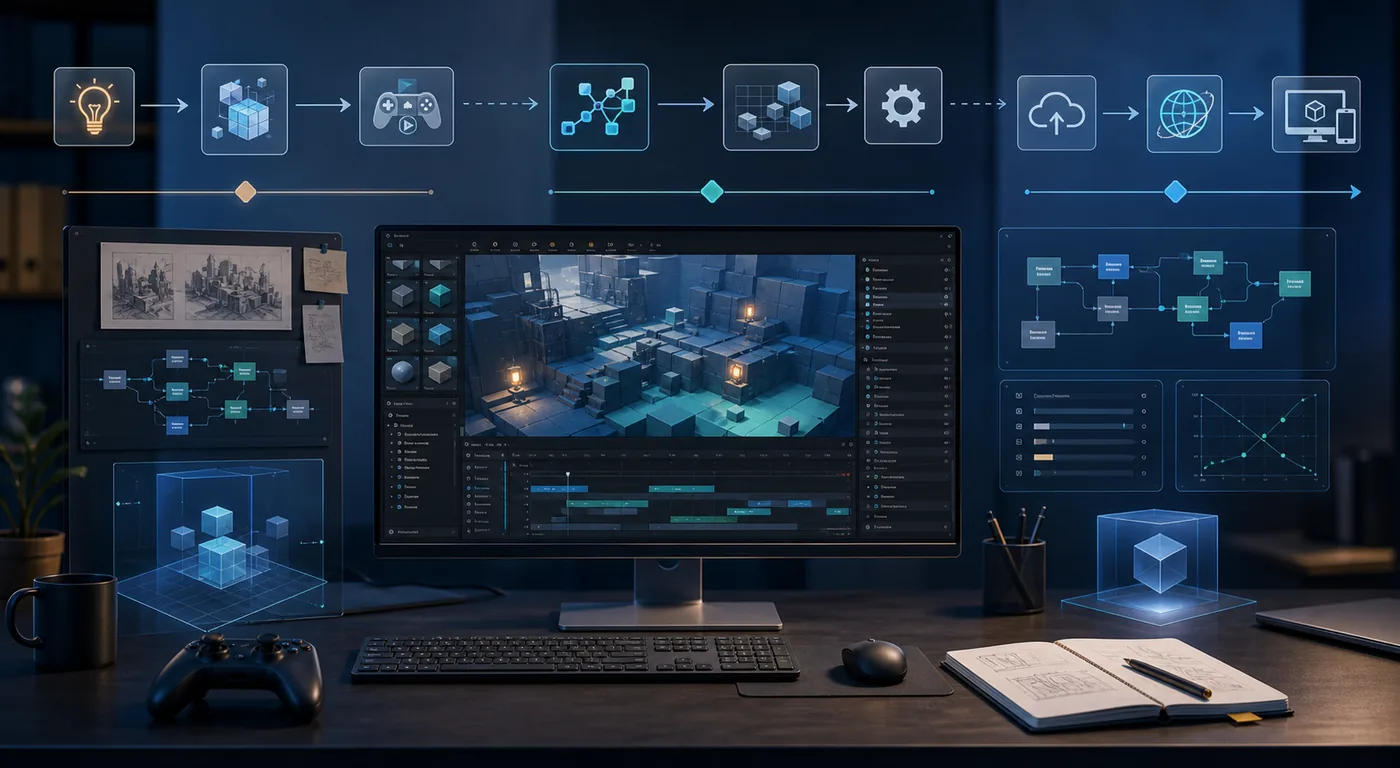
The image shows concept validation, gameplay systems, production tools, and external service integration as one workflow. The goal is to build small, verify quickly, and deepen only the parts that matter.
We implement the parts needed for judgment first, so feel and tempo can be checked in a realistic state.
Values, stages, items, effects, and content data should be easy to review and adjust later.
Store integration, achievements, logs, localization, and analytics are considered before the end of production.
Support Areas
We can work on a full prototype, a specific gameplay feature, development tools, technical investigation, or improvement work inside an existing project.
When the specification is not fully fixed, we focus on creating material that helps the team decide.
Feature boundaries are clarified so the work can fit into the existing project without unnecessary disruption.
Repeated production tasks and release-side requirements are handled as part of the development plan.
Scope
Build small playable versions of mechanics, controls, cameras, UI, combat, progression, or interaction concepts.
Implement character control, game loops, level flow, items, save data, settings, and related in-game systems.
Create data editors, build helpers, validation tools, debug screens, and workflow improvements for production teams.
Support Steamworks, achievements, leaderboards, localization, analytics, and other services needed for release or operation.
Deliverables
Fit
Boundary
Clear boundaries help us avoid mismatched inquiries and make the right collaboration easier to start.
NDA & Security
Nobilwing develops original games while also supporting client projects. Client source code, plans, assets, accounts, data, and unpublished materials are managed under the contract, NDA, and agreed scope, and are not used in Nobilwing original games. Potential conflicts of interest are reviewed before collaboration begins.
Quality
Input response, pacing, feedback, and the amount of information on screen are checked by actually playing.
The structure should allow balance changes and content changes without losing track of the data.
When repeated checks or edits become heavy, focused tools or support screens can reduce friction.
Source code, settings, verification steps, and important notes are kept available for later maintenance.
Case Studies
These examples show typical problems and support scopes within what can be described publicly. Company names and logos are shown only with prior approval.
Turned a core play idea into a small playable validation scope so the team could make implementation decisions earlier.
Reviewed achievements, leaderboards, localization, and build steps that often create late-stage release friction.
Next Step
After reviewing the service scope, continue to practical articles and checklists that help prepare an inquiry.
Related articles
Before requesting a Unity prototype, clarify the decision to make, the interaction to test, usable assets, review builds, and what can be discarded.
Game ReleaseSteamworks integration should be organized early, including achievements, leaderboards, localization, builds, access, and test flow.
Checklists
Items to clarify when you want to validate the core of a game idea in a small scope.
Teams preparing a Steam releaseItems that are often left too late when preparing a Steam-oriented title.
Solution
If you want to begin from a concrete problem rather than a broad service category, these pages organize the scope and preparation items.
We keep the prototype focused on the question to validate, so the team can play, judge, and decide what belongs in production.
SolutionSteamworks work becomes risky when implementation, permissions, store assets, testing, and build setup are all handled at the end.
Process
Clarify the core experience, platform, existing assets, and constraints. The initial discussion and high-level scope check are free.
Review shareable design notes, reference videos, existing builds, and asset status. If confidential information is involved, we discuss NDA needs first.
If code review or technical validation is needed, we normally quote that small paid discovery step before it begins. Until the end of August 2026, the initial high-level discovery fee may be waived when named case-study publication, including company name and logo, can be discussed. Case-study content and logo usage are confirmed in advance and published only within the approved scope.
Present scope, deliverables, review method, timeline, fee, and assumptions so you can confirm the cost before committing.
Paid implementation begins only after the quote is approved and the order or contract is in place.
Share playable progress and adjust feel, timing, specifications, and implementation details through checkpoints.
Deliver source, settings, test steps, and handoff notes. Additional work is scoped and quoted separately.
Limited Offer
The initial consultation and high-level scope check are free. Until the end of August 2026, initial high-level discovery may be waived when named case-study publication can be discussed.
Contact us about development needs, technical challenges, or collaboration opportunities.